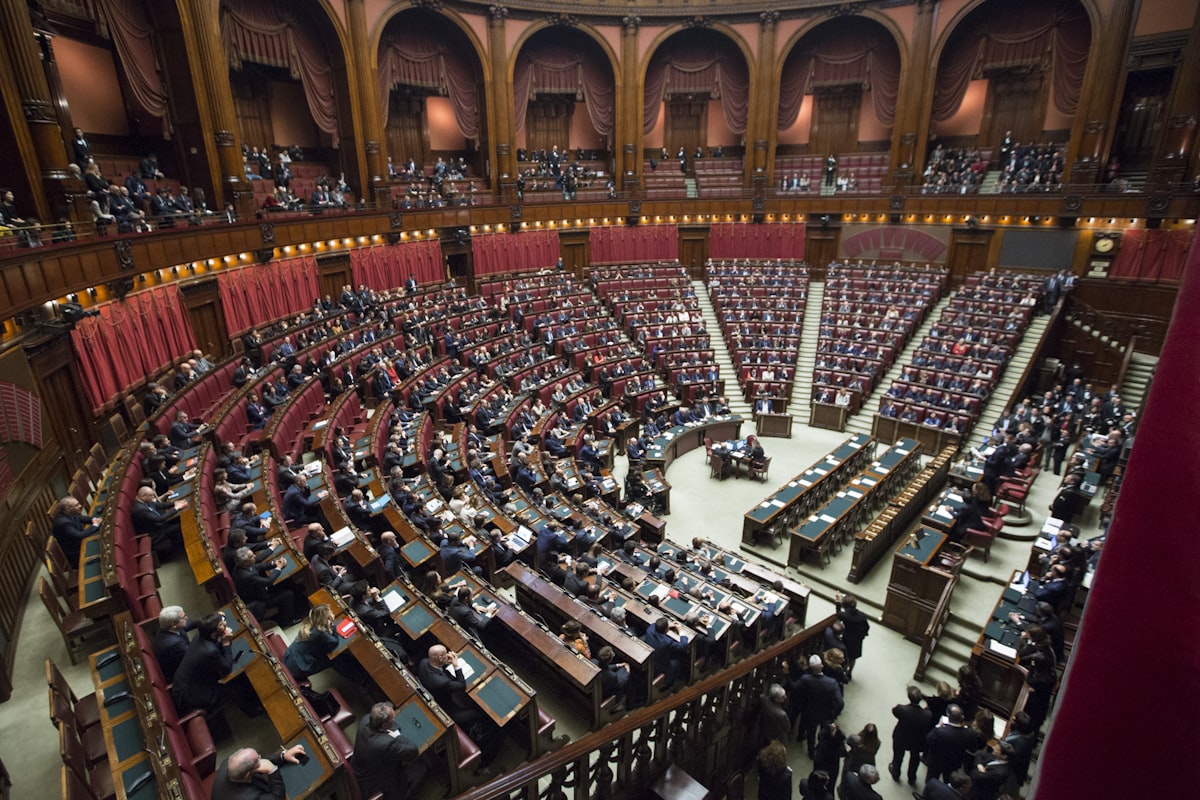
Pakistan emerges as the key peacemaker in ending the US-Iran conflict — June 2026 | Photo: Unsplash
In a development that could reshape the geopolitics of the Middle East and cement Pakistan's standing as a major diplomatic power, Prime Minister Shehbaz Sharif announced on June 12, 2026 that a final, agreed-upon text of a peace deal between the United States and Iran has been reached. Pakistan, which has been the central mediator throughout the months-long US-Iran conflict, is now working with both sides to finalise the next steps toward a formal signing.
"Peace has never been this close as it is now," PM Shehbaz wrote in a post on X, adding that Pakistan was "preparing for the electronic signing of the peace deal immediately after, followed by technical level talks next week." US President Donald Trump reposted the Prime Minister's statement on Truth Social without comment — a remarkable signal of Washington's confidence in Pakistan's mediation.
How Did Pakistan Become the Key Mediator?
The US-Iran conflict began on February 28, 2026, with joint US-Israeli strikes that dramatically escalated tensions across the Middle East. Pakistan, sharing a 900-kilometre border with Iran while also maintaining close ties with the United States and Saudi Arabia, found itself in a uniquely delicate position — and seized the opportunity to play a constructive role.
From the very beginning of the conflict, PM Shehbaz Sharif and Foreign Minister Ishaq Dar engaged in intensive shuttle diplomacy, travelling between capitals and hosting key meetings in Islamabad. Pakistan managed to walk a careful diplomatic tightrope — condemning attacks by all sides while refusing to align militarily with any party. Defense Minister Khawaja Asif explicitly ruled out Pakistani military participation in any campaign against Iran, preserving Pakistan's credibility as a neutral broker.
In late March 2026, Pakistan hosted a historic multilateral meeting in Islamabad attended by the foreign ministers of Saudi Arabia, Turkey, and Egypt to discuss regional de-escalation. This was followed by the Islamabad Talks on April 10 and 11 — the first direct negotiations between US and Iranian representatives hosted on Pakistani soil. Pakistan's Interior Ministry provided foolproof security for all foreign delegations, reflecting the enormous stakes of the talks.
📌 Key Timeline — Pakistan's Mediation
- Feb 28, 2026 — US-Israeli strikes launch the conflict with Iran
- March 29, 2026 — Islamabad hosts Saudi Arabia, Turkey, Egypt foreign ministers
- April 10-11, 2026 — First round of Islamabad Talks between US and Iran
- June 12, 2026 — PM Shehbaz confirms final deal text has been agreed
- June 13, 2026 — Signing expected "within 24 hours", Trump reposts Sharif's statement
- Next week — Technical level talks planned after electronic signing
What Does the Deal Include?
While the full and official text of the deal has not been made public, reporting from multiple international news outlets has shed light on its key provisions. According to a senior Trump administration official, the draft deal — described as a "performance-based agreement" — includes the following commitments from Iran:
- The removal and destruction of Iran's nuclear material
- The dismantling of Iran's nuclear weapons program
- The reopening of the Strait of Hormuz to international shipping
- No financial relief for Iran until it honours its commitments
Iranian Foreign Minister Abbas Araghchi confirmed progress on X, stating that the "Islamabad Memorandum of Understanding has never been closer." However, Iran's Foreign Ministry spokesperson Esmaeil Baghaei urged caution about the timeline, stating that while the deal was near, a signing would "not be tomorrow."
Iran's state media also published what it claimed were 14 provisions of the draft deal, including language suggesting Iran would negotiate retaining some uranium enrichment capability — a claim that drew a sharp response from President Trump, who blasted Iranian state media for what he called deliberate misinformation aimed at sabotaging the agreement.
"Amid ongoing intense mediation efforts by Pakistan, we can confirm that a final, agreed upon text of the peace deal has been reached. Peace has never been this close as it is now." — PM Shehbaz Sharif, June 12, 2026
Why This Is Historic for Pakistan
If the deal is successfully signed, it will represent one of the most significant diplomatic achievements in Pakistan's history. A country that has often been viewed through the lens of security challenges and economic instability will have played the decisive role in ending one of the most dangerous military conflicts of the 21st century.
Pakistan's ability to maintain trusted relationships with both Washington and Tehran — two adversaries who have been at war — is a testament to decades of careful foreign policy balancing. Pakistan's geographical position, its Muslim-majority identity, its close ties with Gulf states, and its established relationship with the US military have all combined to make Islamabad the ideal bridge-builder in this conflict.
Qatar, another key regional mediator, expressed its "full support for Pakistani mediation efforts" and called on all parties to engage constructively. This international endorsement of Pakistan's role underscores the genuine respect that Islamabad has earned through its mediation work.
Challenges and Uncertainty Ahead
Despite the optimism surrounding the deal, significant uncertainty remains. A US official told NewsNation that the deal was only "75 percent done" as of June 12 — suggesting that key details have not yet been fully resolved. Two Iranian drones were shot down on the night of June 12, and Iranian media reported that its military had stopped a tanker from passing through the Strait of Hormuz — acts that do not suggest a party fully committed to immediate peace.
PM Shehbaz also warned of an "incessant misinformation campaign" by those who want to sabotage the peace deal — without naming the parties he believes are responsible. This suggests that there are powerful forces on multiple sides of this conflict that have an interest in seeing negotiations fail.
The question of Iran's nuclear enrichment program remains a particularly thorny issue. Iran has historically insisted on its right to enrich uranium for civilian purposes, while the US and its allies have demanded complete dismantlement of the nuclear program. Whether the final deal text resolves this fundamental disagreement or papers over it remains to be seen.
What This Means for Pakistan's Economy and Region
The US-Iran conflict has had serious consequences for Pakistan's economy. As a country that shares a long border with Iran and depends on stable energy markets, Pakistan has faced an energy crisis linked to the conflict. Global oil price spikes caused by the closure of the Strait of Hormuz affected Pakistan's import costs and added to inflationary pressure on ordinary citizens.
A lasting peace deal would reopen energy supply chains, stabilise oil prices further, and create opportunities for Pakistan to benefit economically from its role as a diplomatic bridge between the Middle East and South Asia. The Islamabad Pact, as Foreign Minister Khawaja Asif has described it, could become a landmark in Pakistan's foreign policy legacy.
Conclusion
Pakistan's emergence as the key mediator in the US-Iran peace process is a remarkable story of quiet, persistent diplomacy at the highest levels. PM Shehbaz Sharif's confirmation that a final deal text has been reached — and the fact that Donald Trump himself reposted that announcement — suggests that this is not wishful thinking but a genuine diplomatic breakthrough in progress.
Whether the electronic signing happens in hours or days, the Islamabad Pact will stand as one of Pakistan's finest diplomatic hours. SportTattle will bring you full coverage of every development in this historic peace process as it unfolds.
Tags: Pakistan Diplomacy, US Iran Peace Deal, PM Shehbaz Sharif, Islamabad Pact, Pakistan World News, Iran War 2026, Pakistan Foreign Policy